Why Building One Completely Unscheduled Afternoon Into Every Multi-Day Trip Produces the Moments You Actually Retell
Marcus Chen
08/13/2026
6 min read
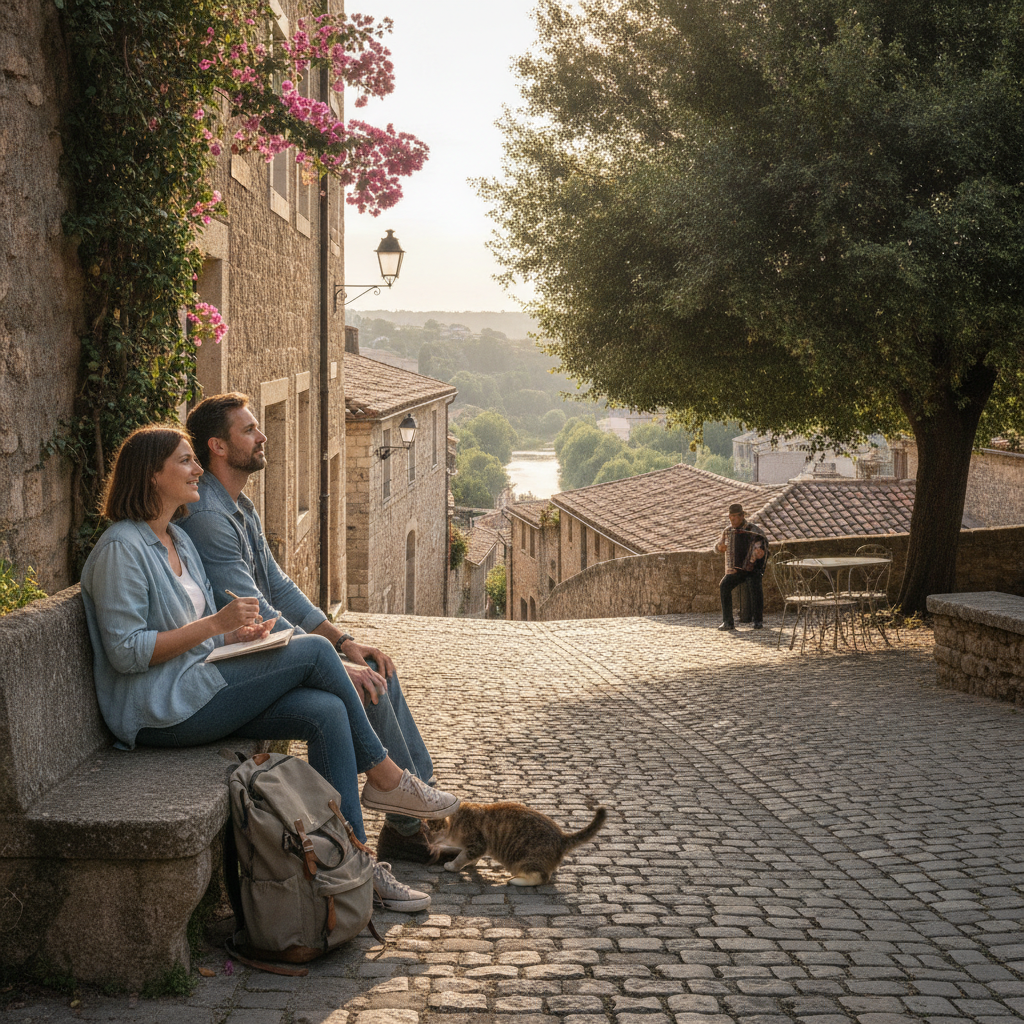
The most memorable travel stories rarely begin with a reservation. They tend to start with a wrong turn down a side street in Lisbon, an unexpected conversation at a market stall in Chiang Mai, or a café in Bologna discovered purely because it started to rain. What these moments share isn't luck — it's space. Travelers who build at least one completely unscheduled afternoon into every multi-day trip tend to return home with a different kind of story: not what they checked off, but what found them.
Modern trip planning has become extraordinarily efficient. Apps like Google Maps and GetYourGuide make it easy to string together a schedule that leaves almost no room for deviation, which is reassuring before departure but can feel surprisingly hollow in practice. When every hour is accounted for, the trip moves forward but rarely sideways — and it's often the sideways moments that become the ones people describe years later at dinner parties.
The Hidden Cost of a Perfectly Planned Itinerary
Over-scheduling a trip creates a subtle but persistent tension that most travelers don't fully recognize until the trip is over. The pressure to move from one attraction to the next compresses the very experience the trip was meant to provide. A morning at the Uffizi Gallery in Florence can be genuinely wonderful, but if it's immediately followed by a boat tour, a cooking class, and a sunset reservation across the city, the gallery visit starts to feel more like a task completed than a place truly inhabited. The mind doesn't have time to settle, to wander, or to wonder — and those three things are often the raw material of travel's deepest pleasures.
There's also the issue of energy. Multi-day trips are physically and mentally demanding in ways that don't always register until mid-trip fatigue sets in. Travelers who front-load their itineraries often find themselves powering through day three or four on obligation alone, rather than genuine curiosity. The planned afternoon walk through a market becomes a march. The spontaneous instinct to sit somewhere quiet and simply watch a neighborhood go about its day gets suppressed because there's somewhere else to be.
What Unstructured Time Actually Allows
Leaving one afternoon genuinely open — not vaguely flexible, but deliberately empty — resets the entire rhythm of a trip. Without a destination, the pace changes almost immediately. Streets that would have been transit routes become places of genuine observation. A pastry shop in Porto's Bonfim district becomes worth stopping at not because it was recommended in an article, but because it smelled interesting from the sidewalk. These micro-decisions, stacked over a few unscheduled hours, produce a kind of engagement with a place that no amount of research can replicate.
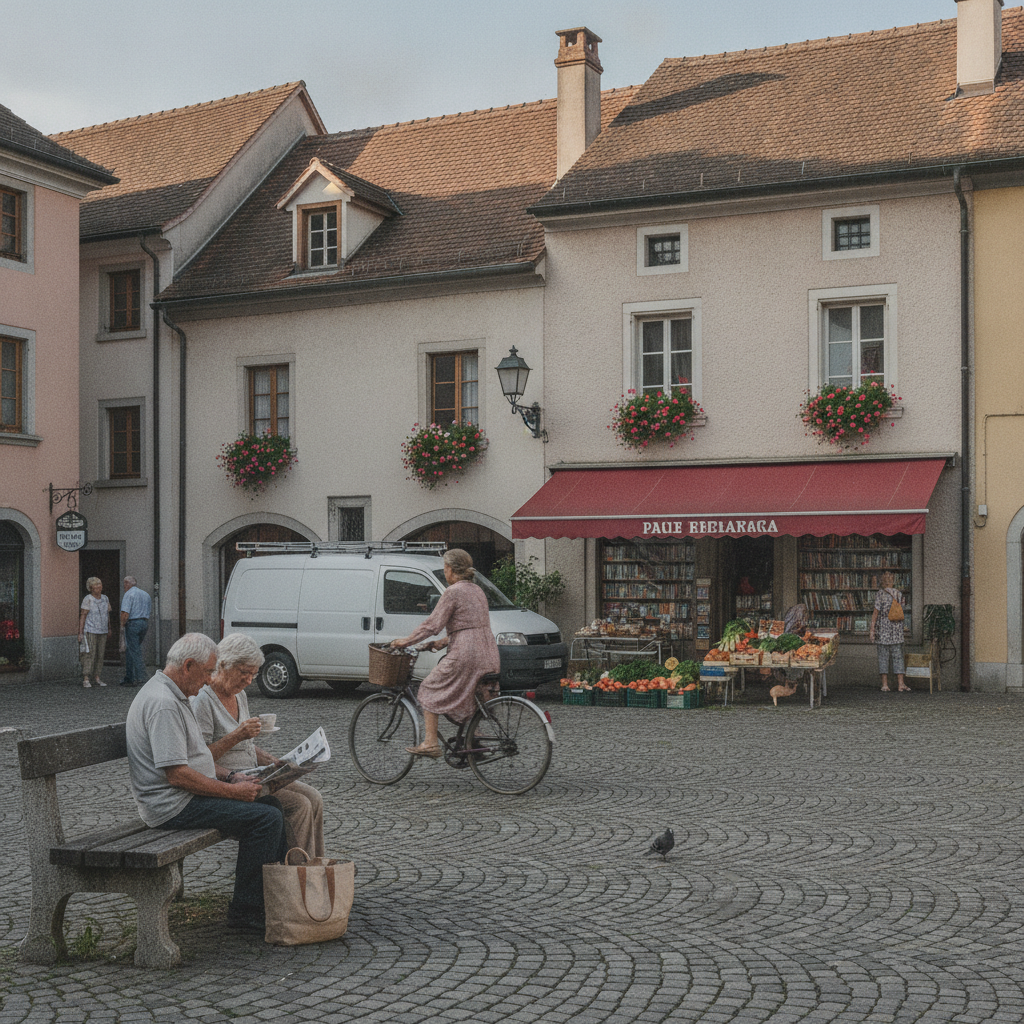
Unscheduled time also allows for the kind of conversation that structured tourism tends to preclude. A local shopkeeper who might have received only a quick thank-you during a scheduled sweep through a neighborhood becomes someone worth talking to for ten minutes when there's nowhere else to be. These exchanges rarely make it into travel guides, but they're often what travelers describe most vividly when someone asks what the trip was actually like.
Why the Reluctance Is Understandable
For many travelers, leaving an afternoon unplanned feels genuinely uncomfortable — even irresponsible. When flights, accommodations, and time away from ordinary life represent significant investment, the instinct to extract maximum value from every hour is natural and understandable. The idea that an empty afternoon could be more valuable than a museum visit or a guided tour challenges the logic that most people apply to trip planning.
This reluctance is compounded by the visual economy of modern travel, where the pressure to document experiences for platforms like Instagram shapes itinerary decisions in ways that aren't always conscious. Unscheduled time doesn't produce content in the same obvious way — it produces feeling, which is harder to photograph and even harder to caption. Recognizing this pressure, and choosing to override it at least once per trip, is itself a kind of travel skill worth developing.
How to Protect the Empty Afternoon Without Losing Confidence
The practical challenge is holding the open space once a trip begins. It's easy to plan for an unscheduled afternoon at home and then fill it the moment a travel companion suggests something or a local recommendation seems too good to pass up. The key is treating the unscheduled block with the same firmness as a booked restaurant or a museum ticket — not because rigidity is the point, but because the space itself is the intention.
Choosing which afternoon to leave open matters, too. Mid-trip tends to work better than the final day, when there's often pressure to see one last thing, or the first full day, when orientation instincts run high. Day two or three, after the initial novelty has settled but before fatigue accumulates, tends to be when unscheduled time pays off most generously. Travelers returning from cities like Kyoto or Mexico City often point to exactly this middle-trip window as the source of their most vivid memories.
Putting It Into Practice on Your Next Trip
When you're building your next multi-day itinerary, block one afternoon — ideally three to five hours — with nothing in it. Don't write a loose list of backup options. Don't pre-select a neighborhood to wander. Leave the block genuinely empty and decide in the moment, based on where you are and how you feel, what it becomes. If you're staying somewhere walkable, step outside with no route in mind. If a café looks worth sitting in for an hour, sit in it. If a direction on the map looks unexplored, walk that way.
Bring a small notebook or use the notes app you already carry, not to plan but to record — a detail you noticed, a name of something you want to look up later, a feeling about a place that you don't want to forget by evening. Apps like Day One work well for this kind of low-pressure travel journaling.
The stories you'll carry home from that afternoon won't fit neatly into a highlight reel, but they'll be the ones you actually tell. Start your next trip with one open afternoon already protected on the calendar, and let the trip surprise you where it can.
Building unstructured time into a multi-day trip isn't about being unprepared — it's about recognizing that the best travel experiences tend to emerge rather than get scheduled. The travelers who return most energized and most genuinely connected to a place aren't always the ones who saw the most. They're often the ones who left enough room for something unexpected to happen.