Why Tracking Which Product Categories You Consistently Underestimate in Size or Quantity Protects You From Repeat Over-Ordering
Jennifer Walsh
10/02/2026
5 min read
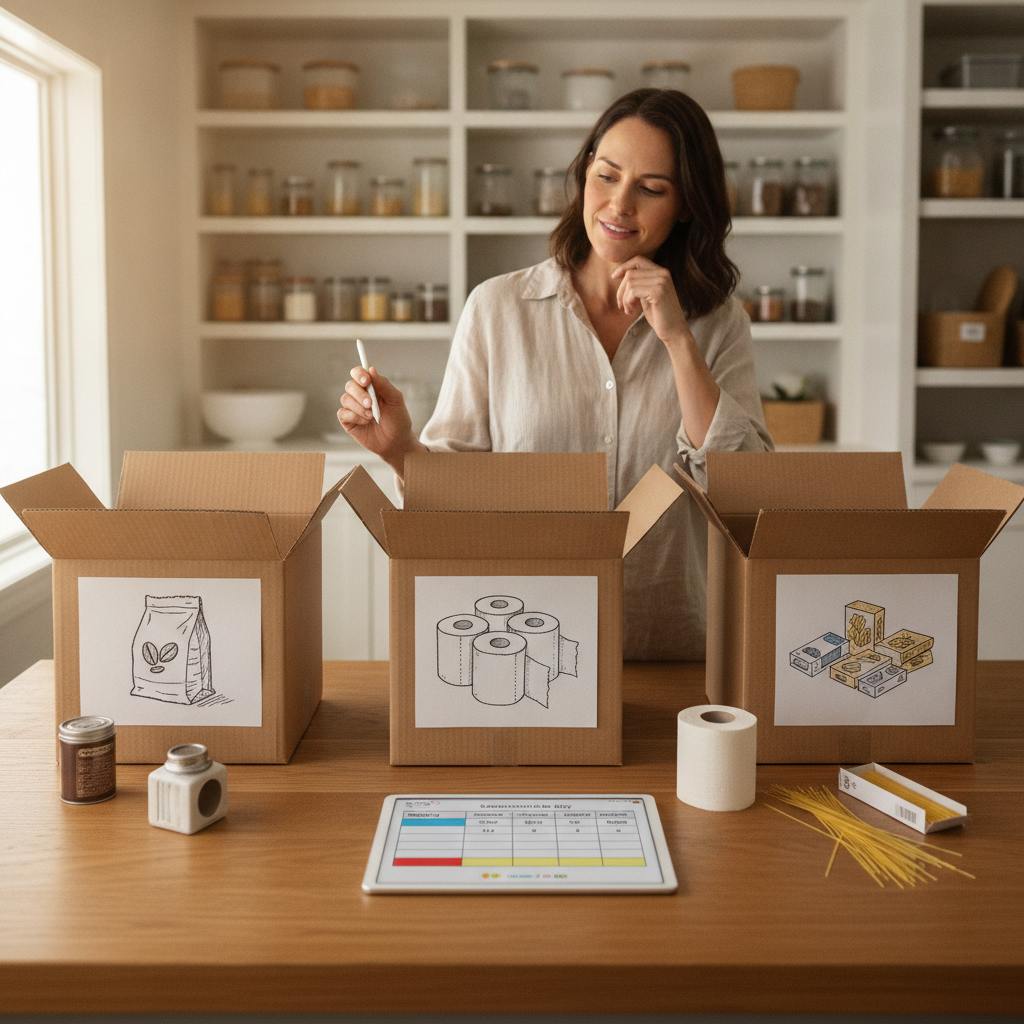
Most people over-order not because they're careless, but because they're optimistic — optimistic about how much space they have, how quickly they'll use something up, or how well a standard size will translate to their actual life. It's a pattern that plays out quietly across dozens of product categories, and it costs more than most shoppers realize. The good news is that once you start paying attention to where your estimates consistently fall short, you stop repeating the same expensive miscalculations.
When Your Mental Model of Size Is the Problem
Certain categories have a way of looking much smaller — or larger — on a screen than they do in your hands. Rugs are a classic example. A 5x8 rug looks generous in a product photo staged against a white background, but in your actual living room, it can feel like a doormat. Furniture, storage bins, and framed art all carry the same risk. If you've returned or resized items in these categories more than once, that's your brain flagging a pattern worth writing down somewhere you'll actually reference before the next purchase.
The Categories That Make You Buy Too Much at Once
Bulk buying is satisfying in theory and chaotic in practice when you misjudge how much you actually use. Cleaning supplies, paper goods, and pantry staples are the usual suspects. Brands like Costco and Amazon's Subscribe & Save make it easy to commit to quantities that look efficient but become clutter. If you've ever had seventeen rolls of paper towels wedged under a bathroom sink, you already understand the problem. Tracking which categories leave you swimming in excess helps you set smarter quantity ceilings the next time around.
Clothing Sizing Patterns You Keep Ignoring
Clothing is where size underestimation gets personal. If you consistently find that items from certain brands or categories — activewear, structured blazers, knitwear — run small or large relative to your expectations, you probably already know this on some level. The issue is that this knowledge doesn't always travel from one purchase to the next. Keeping a simple note, even in your phone's notes app, about which specific brands or styles require you to size up or down means you stop gambling on fit every time you shop.
How Portion and Serving Miscalculations Add Up
Food and supplement products carry their own sizing traps. A protein powder or a bag of specialty coffee might seem generous until you realize the serving size is smaller than you assumed, and the container runs out in two weeks instead of a month. The same logic applies to skincare — a serum from a brand like The Ordinary might look tiny, but it lasts far longer than a larger bottle of a watered-down alternative. Knowing which category tends to run faster than expected — and which lasts longer — lets you time replenishment orders without either running out or stockpiling.
Tech and Accessory Sizing Often Gets Skipped in Research
Phone cases, laptop bags, cable lengths, and monitor sizes are categories where assumptions cost money. A monitor that looks immense in a listing photo may feel underwhelming on your actual desk setup. A cable listed as six feet may not reach from your outlet to your couch in practice. These aren't categories where most shoppers think to keep a running log, but they're exactly where repeat return purchases quietly drain time and shipping costs. Retailers like Best Buy and B&H Photo often provide detailed dimension specs — but only if you've trained yourself to look.
The Simple Logging Habit That Closes the Loop
You don't need a spreadsheet or a dedicated app to make this work. A note organized by category — something like "rugs: always go one size up," "supplements: last half as long as expected," "jeans from this brand: size up one" — works perfectly well in Apple Notes or Google Keep. The goal isn't to build a database. It's to create a quick reference that catches you before checkout rather than after delivery. Even a rough, informal list reviewed once before a shopping session can interrupt the cycle of repeat over-ordering.
Making the Pattern Visible Before You Add to Cart
The most useful moment to consult your size and quantity log is exactly when you're about to hit "add to cart" on a product category where you've been burned before. Retailers like Target and Wayfair let you save items to lists, which creates a natural pause. Use that pause. Cross-reference your note. Ask whether your instinct about the size or quantity is informed by actual experience or just optimism. That five-second check is usually enough to redirect an order toward a better decision.
Turning Past Mistakes Into a Personal Shopping Filter
Every return, every oversized delivery, and every product that ran out faster than expected is data. The difference between shoppers who keep repeating the same over-ordering patterns and those who don't is simply whether they use that data. A personal size-and-quantity log functions as a filter that no algorithm can replicate, because it's based on your home, your habits, and your actual usage — not a generalized recommendation. The more you add to it, the sharper it gets, and the fewer surprises end up on your doorstep.
Most shopping mistakes aren't failures of research — they're failures of memory. You probably already know which categories trip you up. The shift worth making is moving that knowledge out of the back of your mind and into a format you'll actually consult. A small habit of logging what didn't fit, what ran out too fast, or what arrived bigger than expected builds a personal reference that keeps improving with every order. Over time, it stops feeling like damage control and starts feeling like confidence.



