How Researching a Destination's Off-Peak Weekday Rhythms Before You Book Tells You Which Days to Arrive for a Completely Different Experience
Robert Kim
09/21/2026
5 min read
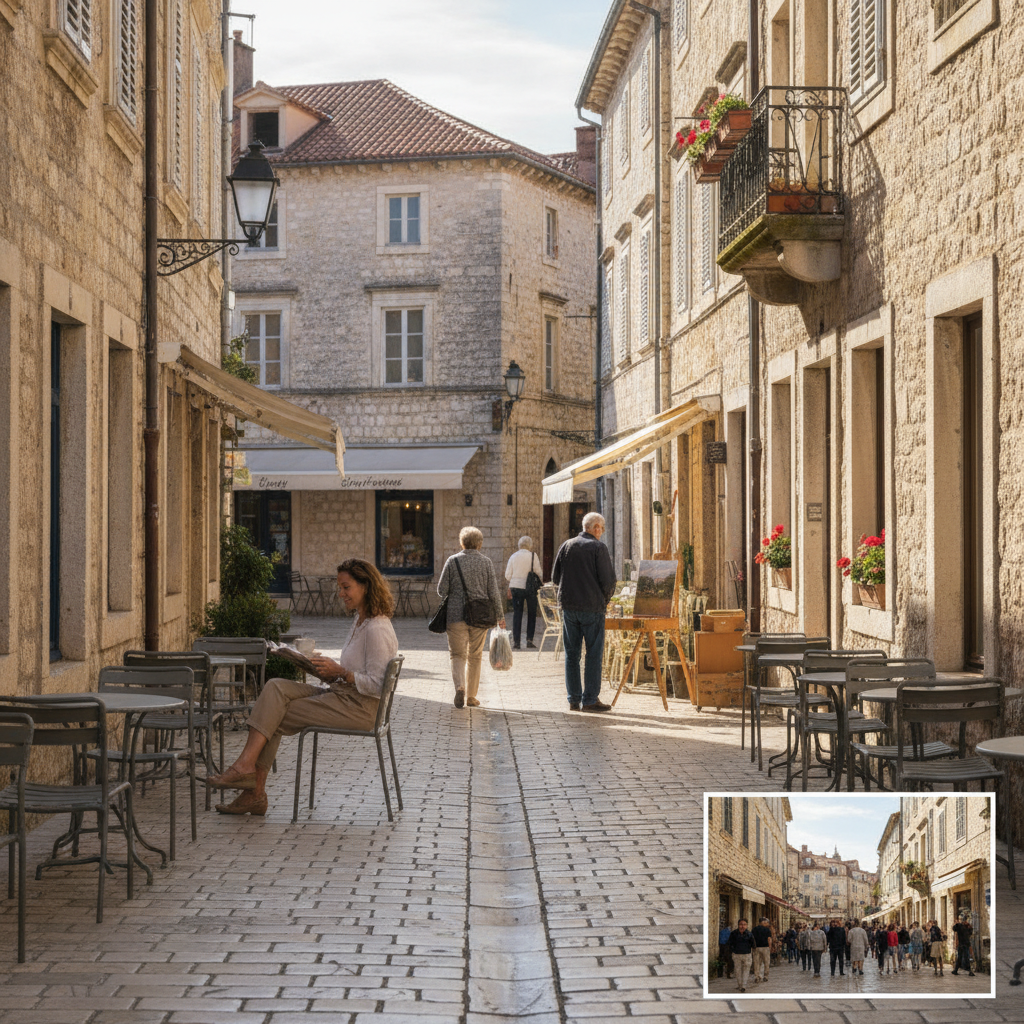
Most travelers book a trip based on price and availability, then figure out what to do once they land. It's a perfectly reasonable approach — until you arrive at a beloved coastal town on a Saturday afternoon and find every café table claimed, every viewpoint crowded, and every local somewhere else entirely. The rhythm of a destination shifts dramatically depending on the day of the week, and understanding those rhythms before you book doesn't just save frustration — it fundamentally changes which version of a place you experience. The difference between arriving on a Tuesday versus a Friday can feel like visiting two entirely different cities.
The Weekly Pulse of Any Destination
Every place has a kind of weekly heartbeat — a pattern of activity, quiet, and local ritual that repeats whether tourists notice it or not. Markets open on specific mornings, fishing boats return on certain afternoons, neighborhood restaurants that close on weekends fill with regulars on Wednesday nights. Before booking, spending time on local forums, city subreddit threads, or destination-specific Facebook groups reveals these patterns quickly. Travelers who've spent extended time in a place often document exactly when things feel alive in an authentic way versus when the tourist infrastructure takes over.
Reading Local Business Hours as a Cultural Map
The opening and closing patterns of everyday businesses tell you more about a destination's true character than most guidebooks will. In many Spanish cities, for instance, the midday closure culture on weekdays means a completely different pace than the non-stop Saturday foot traffic driven by day-trippers. Checking Google Maps' popular-times data for ordinary local spots — bakeries, hardware shops, neighborhood bars — across different days of the week gives a remarkably honest picture of when a place is operating for itself versus when it's performing for visitors. These patterns are consistent and reliable, and they're hiding in plain sight.
The Role of Local Market Schedules in Trip Timing
Few things anchor a traveler to the genuine texture of a place like arriving on the day a proper local market runs — not the artisanal weekend version designed for tourists, but the midweek produce and provisions market where actual residents shop. Destinations like Aix-en-Provence or Oaxaca have well-documented market days that fall mid-week, and building an arrival around those days means walking into a scene of unhurried daily life rather than a curated experience. Searching for a destination's market calendar on municipal websites or through apps like Spotted by Locals often surfaces these schedules before you've even opened a booking tab.
How Shoulder Weekdays Affect Accommodation Behavior
Weekend arrivals tend to compress accommodation options and inflate prices, but the effects go beyond cost. When a hotel, guesthouse, or rental property is running at full weekend capacity, staff attention is divided, check-in lines exist, and common spaces feel less like an extension of the destination and more like a transit hub. Arriving on a Tuesday or Wednesday at the same property often produces a qualitatively different stay — more attentive service, quieter surroundings, and a staff that has time to offer the kind of local guidance that gets lost in weekend volume. The difference in daily rate frequently makes the timing decision easy to justify on its own.
What Transit Patterns Reveal About Arrival Days
Public transit schedules are one of the most underused pre-trip research tools available. In cities like Lisbon or Porto, the frequency of certain tram and metro lines drops noticeably on weekends, which sounds like a minor inconvenience until you're trying to reach a neighborhood off the main tourist corridor on a Sunday afternoon. Checking transit authority websites for weekday versus weekend service frequency gives a practical read on how independently a traveler can move through a city. A destination that feels highly accessible on a Tuesday morning can feel frustratingly segmented on a Sunday when buses run every forty minutes instead of every ten.
Community Event Calendars as Pre-Booking Intelligence
Most cities and towns maintain publicly accessible event calendars that go well beyond the major festivals listed on travel sites. These calendars — often buried on municipal or regional cultural organization websites — list neighborhood association gatherings, open-air film nights, weekly farmers' exchanges, and seasonal sporting events that draw real local participation. Cross-referencing these listings with your potential travel dates before booking reveals whether a particular week contains the kind of ordinary community activity that makes a place feel genuinely inhabited. A Wednesday evening outdoor concert in a town square attended by families and regulars will stay with a traveler far longer than another visit to the same historic site.
The Effect of School and Work Calendars on Crowd Composition
One of the most overlooked variables in travel timing is the local school and work calendar of the destination itself — not of the traveler's home country. A beach destination might be fully taken over by domestic families during a regional school holiday that doesn't appear on any international travel advisory. Checking local school term dates for the destination, which are easily found through regional government education websites, reveals these pressure points in advance. Arriving just after a local holiday week ends often means walking into a completely clear version of a popular spot, with local businesses still staffed and operating but visitor volume dramatically reduced.
Using Accommodation Reviews to Read Day-Specific Patterns
Guest reviews contain far more temporal detail than most travelers pause to extract. Filtering reviews by date on platforms like Booking.com or Airbnb and reading comments from guests who stayed mid-week versus those who stayed over weekends often reveals remarkably consistent patterns — mentions of noise, service quality, crowd levels, and neighborhood atmosphere that shift predictably with the day. A property reviewer mentioning a lively street market visible from the window on a Thursday morning is telling you something useful about timing that no official listing will articulate. This kind of layered reading turns an ordinary review scroll into a practical scheduling tool.
Traveling well has always required a certain willingness to look past the obvious. The same instinct that makes someone stop and read the room — sensing the genuine rhythm of a place rather than just passing through it — applies just as much to the research phase as it does to the trip itself. A destination doesn't hide its quieter, more generous version on purpose. It simply offers that version on its own schedule, and the travelers who arrive on the right day didn't get lucky. They paid attention first.



