Why Learning Three Functional Phrases in a Local Language Before You Land Changes How Locals Respond to You Throughout a Trip
Robert Kim
08/10/2026
5 min read

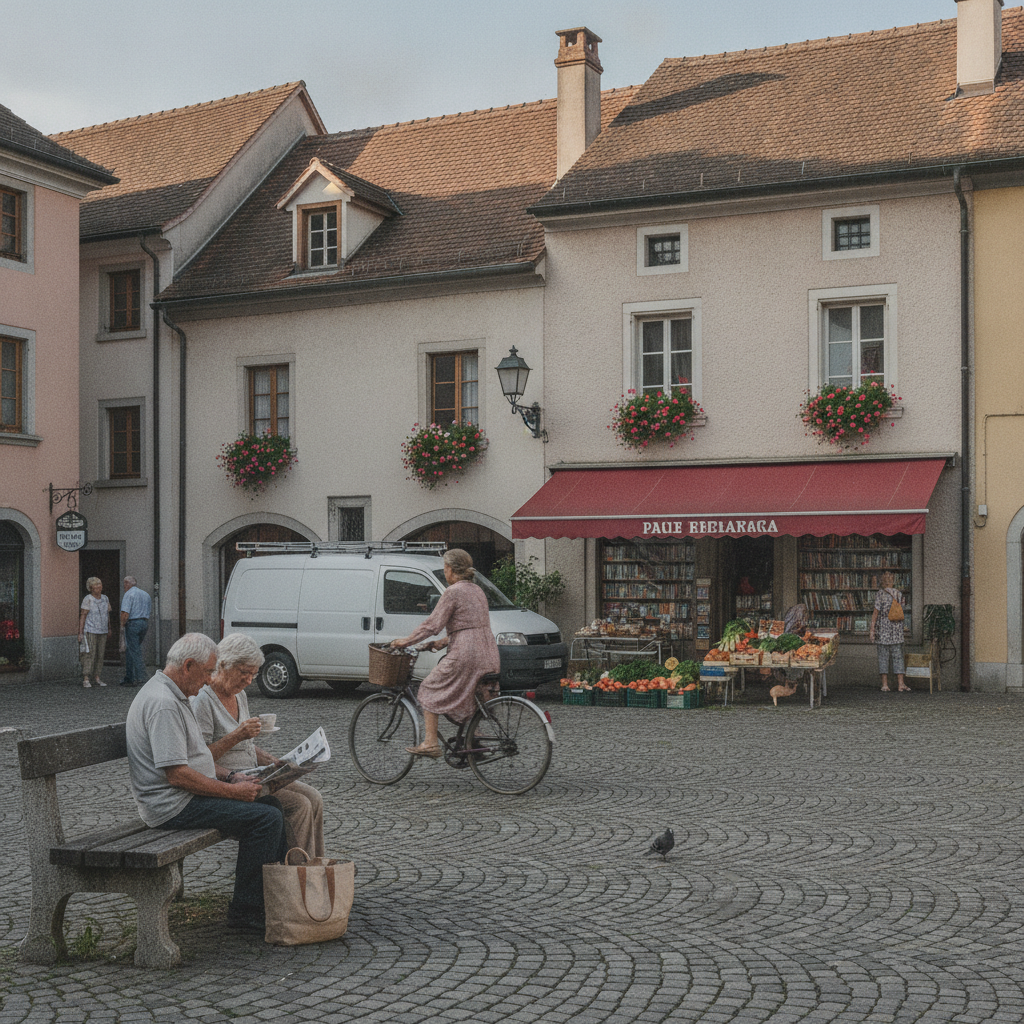
There is a particular kind of warmth that has nothing to do with weather. It happens in small moments — when a market vendor pauses mid-transaction, looks up, and offers a real smile rather than a transactional nod. It happens when a café owner in Lisbon's Alfama district drops the performance of formal hospitality and speaks more slowly, more genuinely, because something in the exchange shifted. That shift, more often than not, begins with a single phrase spoken in the local language — imperfect, slightly rehearsed, but unmistakably sincere.
The Signal That Three Phrases Actually Send
Language is not merely a tool for information transfer. In nearly every culture, it functions as a social signal — a way of declaring whether someone sees a place as a backdrop for their own experience or as a living community worthy of basic acknowledgment. When a traveler arrives in Oaxaca and opens with buenos días followed by a stumbling attempt at ¿me puede ayudar? — "can you help me?" — the message is not linguistic fluency. The message is effort. That effort communicates respect in a register that Google Translate simply cannot replicate, because translation conveys meaning while spoken language conveys intent.
Why Functional Phrases Outperform Pleasantries
There is a meaningful difference between learning ciao and learning how to ask where the nearest pharmacy is. Greetings, while valuable, are quickly understood as the tourist minimum — the five words every guidebook recommends. Functional phrases, by contrast, are the ones that pull a person into actual exchange. Phrases like do you have a smaller size, is this seat taken, or could you say that again more slowly — the equivalent of pouvez-vous répéter plus lentement in French — require locals to engage rather than simply wave someone forward. That engagement, even when brief, creates a relational texture that accumulates quietly across an entire trip.
How the Effect Compounds Over Days
The behavioral shift that follows those early interactions is not dramatic, but it is consistent. Locals who register that a traveler is making a genuine linguistic effort tend to become more forthcoming — offering unrequested directions, explaining menu items without being asked, or flagging an error on a bill that might otherwise have gone unnoticed. In places like Kyoto, where the concept of omotenashi — a form of wholehearted, anticipatory hospitality — shapes service culture deeply, arriving with even rudimentary Japanese phrases signals that a traveler understands something about the social contract. The return on that small investment tends to accumulate across days in ways that are difficult to attribute to any single moment.
Choosing the Right Three Phrases for Any Destination
The selection matters. A useful framework for choosing three phrases centers on necessity, frequency, and vulnerability. One phrase should handle a basic daily need — ordering food, finding a restroom, asking for directions. One should communicate genuine curiosity — something like what do you recommend or is this traditional here. And one should acknowledge limitation gracefully — a version of I'm still learning or please speak slowly. This last category, sometimes called a softening phrase, carries disproportionate social weight because it invites patience rather than demanding it. Apps like Pimsleur or the language section within Duolingo can build these phrases to a usable level in under three hours of focused practice.
The Psychology Behind the Local Response
What locals respond to is not correctness — mispronunciation is not only expected but often found endearing. What they respond to is legibility of intention. A traveler who reaches for the local language, even clumsily, is legible as someone who came to experience a place rather than consume it. This distinction registers at a level that is largely pre-rational, which is why the response feels like warmth rather than reward. In Marrakech's medina, vendors and guides routinely distinguish between travelers who open interactions with Arabic phrases — even halting ones — and those who proceed entirely in English from the first word. The treatment that follows is measurably different, and longtime travelers to the region consistently report it.
Building the Practice Into Pre-Trip Preparation
The most practical approach is to treat phrase acquisition the way one treats packing — as a pre-departure step rather than an afterthought. Identifying three phrases two weeks before travel allows for enough repetition to make them feel natural rather than recited. Writing them phonetically in a notes app, listening to native pronunciation through resources like Forvo, and rehearsing them aloud in the days before departure are all low-effort habits that produce above-average returns. The goal is not to sound fluent. The goal is to sound prepared — and that distinction is something locals in almost every culture recognize instinctively.
What Carries Forward When You Return
There is something that stays with a traveler after these small linguistic efforts, and it has less to do with the destination than with a revised understanding of what travel actually requires. The kind of curiosity that leads someone to learn grazie mille and two genuinely useful phrases before landing in Naples tends to reshape how they observe the culture once they're there — more attentively, more humbly, with greater interest in the texture of daily life than in checking sites off a list. That shift in orientation is the longer return on what seems, at the outset, like a very small investment of time.
The scene that opens any trip — that first exchange at an airport kiosk, a taxi, a hotel check-in — sets a template that the rest of the journey tends to follow. Travelers who arrive already in possession of a few genuine tools for human connection find that the trip meets them differently from the start. Not because locals are performing for them, but because something mutual has been established before the itinerary even begins.