Why Comparing Retailer-Exclusive Variants Against Standard Releases Before You Buy Reveals Differences That Justify — or Kill — the Premium
David Park
09/16/2026
5 min read
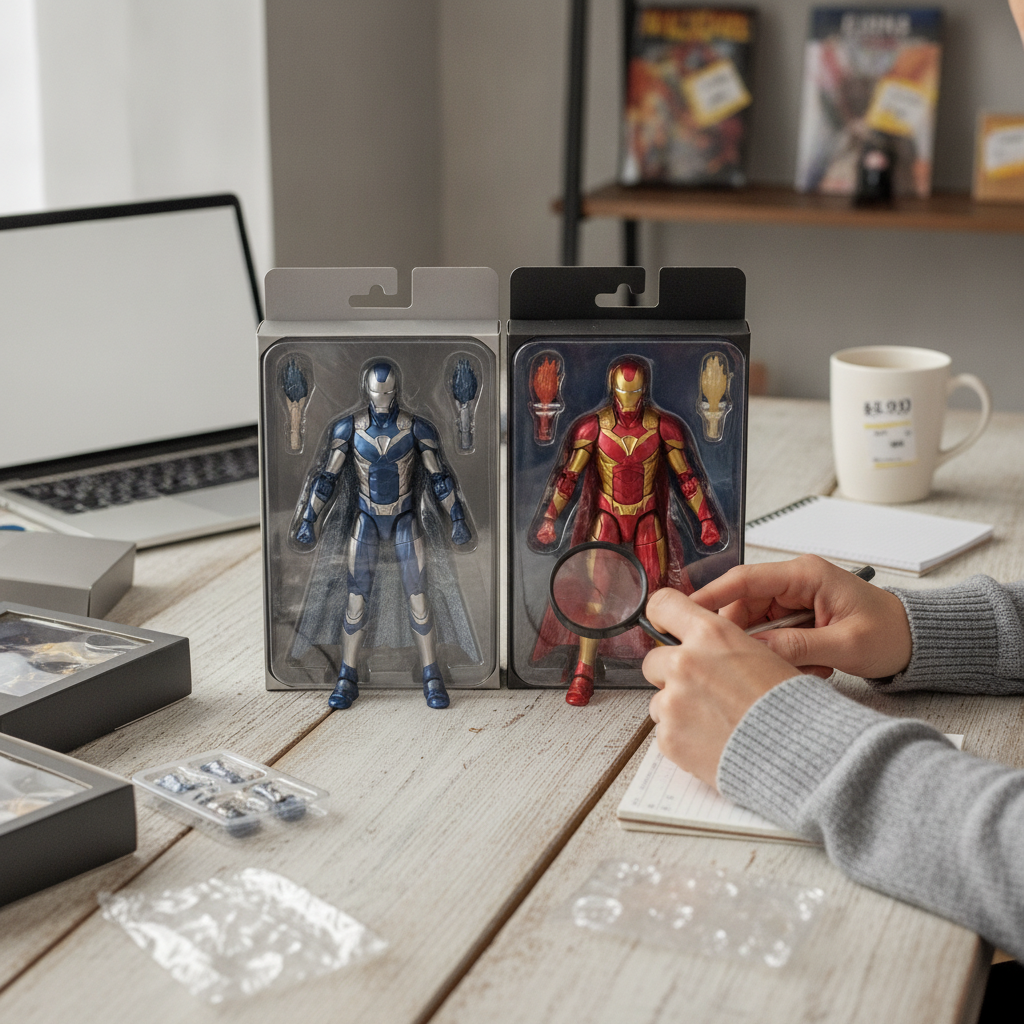
Retailer-exclusive product variants are a permanent fixture of modern shopping, and most buyers encounter them without a clear framework for deciding whether they're worth it. You spot a version of a product sold only at Target, Best Buy, or a specific brand's own website — it has a different color, a bonus accessory, or a modified spec — and suddenly a straightforward purchase becomes a small puzzle. The good news is that the puzzle is almost always solvable, and solving it takes less time than most people expect.
The core problem is that exclusive variants are designed to look different without always being meaningfully better. Retailers use them to reduce direct price competition, which means the packaging changes more often than the product itself. Before you pay a premium — or assume you're getting one — a few targeted comparisons will tell you everything you need to know.
Read the Spec Sheet Side by Side
The first move is the most mechanical: pull up the full specification list for both versions and read them next to each other. Manufacturers are required to disclose hardware differences, so if the exclusive variant has a larger battery, more storage, or a different processor, it will appear in the specs. What often catches buyers off guard is how minor the differences are in practice. A laptop with an extra 8GB of RAM sounds significant until you realize the base model already handles everything you do comfortably. Specs reveal facts; your use case determines whether those facts matter.
Check Whether Bundled Accessories Have Standalone Value
Many retailer-exclusive versions don't change the core product at all — they add accessories. A Sony headphone bundle at Costco might include a carrying case and a cable that you can buy separately for a fraction of the price difference. Before accepting a bundle as a deal, look up each included accessory individually. If the standalone cost of everything added totals less than the premium you're paying, the bundle isn't saving you anything. If the accessories are items you'd have bought anyway, the math shifts quickly in the exclusive's favor.
Trace Whether the Colorway or Finish Is the Whole Story
Colorways and exclusive finishes are the most common form of retailer differentiation, and they carry real value for some buyers and none for others. Apple and Nike have both built entire product strategies around limited colorways that move product without changing a single functional element. If the exclusive color genuinely matters to you — because it matches your existing gear, because you'll use it publicly, because you find the standard options unappealing — then it's a legitimate reason to pay more. If it doesn't, you're funding a cosmetic choice that benefits the retailer's catalog more than your experience.
Compare Warranty and Support Terms Carefully
Exclusive variants sometimes carry modified warranty terms, and this detail gets skipped more than any other. A standard release purchased through a brand's own website may include a longer warranty or direct customer support access, while the retailer-exclusive version routes you through the retailer's return policy instead. In some cases, that's actually more convenient. In others — particularly with electronics — it adds an extra layer between you and a resolution when something goes wrong. Read both warranty documents before assuming the premium version carries premium protection.
Look for Objective Third-Party Comparisons, Not Just Marketing
Retailer product pages describe exclusive variants in their most favorable light, which is expected but not always useful. A more reliable approach is searching for third-party reviews that compare both versions directly. Sites like Rtings or Wirecutter occasionally cover variant differences for electronics, and community forums for specific products often contain buyers who've owned both. The key is distinguishing between a review that independently tested each version and a post that's repeating marketing language. Objective comparisons narrow down quickly whether the exclusivity is structural or decorative.
Factor In Resale and Longevity Differences
If you ever resell the products you buy, retailer-exclusive variants behave differently on the secondary market. Some exclusives — particularly limited-run colorways from brands like New Balance or limited-edition tech configurations — hold value well or even appreciate. Standard releases from the same line often depreciate faster simply because supply is broader. On the other hand, rare exclusives can also be harder to resell because the buyer pool is smaller. Consider how long you plan to use the item and whether its exclusivity is likely to work for or against you when it's time to move it on.
Confirm Stock Patterns and Reorder Availability
Exclusivity sometimes means the product won't be restocked. If you're buying something where ongoing availability of replacement parts, compatible accessories, or future versions matters — headphones, gaming peripherals, kitchen appliances — check whether the exclusive variant will be supported long-term. A standard release from a manufacturer like Logitech or Breville typically stays in the catalog for years, with accessories updated to match. A retailer-exclusive version may disappear from shelves in one season, leaving you without an easy upgrade path or compatible add-ons when you need them.
Use Return Policies as a Safety Net, Not a Strategy
If you've done the comparison work and you're still uncertain, the retailer's return window is a legitimate final tool — but only if you actually plan to use it thoughtfully. Buy the exclusive variant, use it genuinely during the return period, and compare it against what you know about the standard release. Don't keep it by default because returning things feels like effort. If the differences you identified in your research hold up in real use, you've justified the premium. If they don't, the return policy exists for exactly this reason.
Retailer exclusives will keep multiplying as brands and stores look for ways to differentiate without fully rebuilding products. The comparison habits you build now — reading specs, checking warranties, pricing out bundles, tracking resale behavior — transfer across every category you shop. The buyers who consistently get the best value aren't the ones who avoid exclusives or always chase them; they're the ones who know exactly what they're comparing before they decide.



