How Categorizing Purchases as Consumable Versus Durable Before Checkout Changes What You Actually Add to Cart
Jennifer Walsh
08/02/2026
4 min read
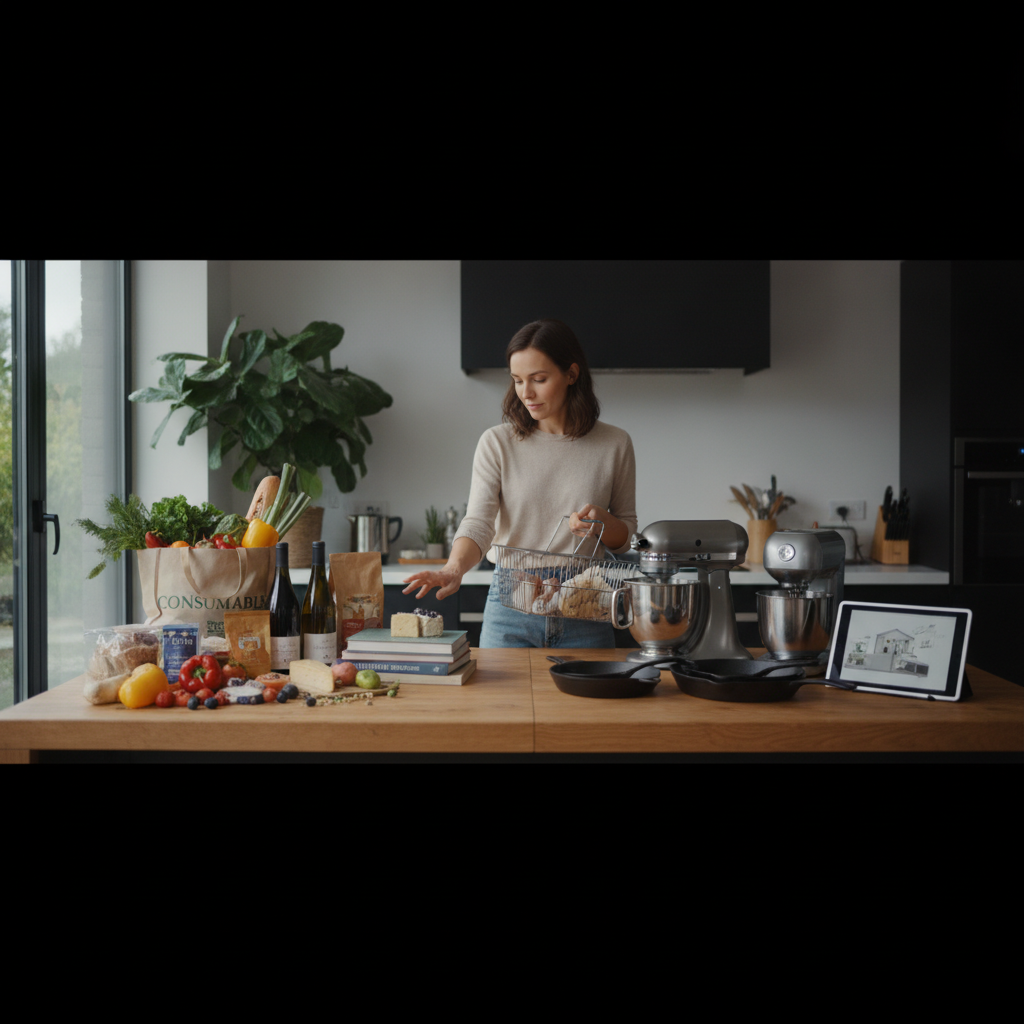
Shopping carts have a way of filling up with a strange mix of things — the candle you needed, the blender you maybe needed, and the novelty kitchen gadget you definitely didn't need until you saw it. Most people checkout without ever pausing to think about why those items feel equally justified in the moment, even when they serve completely different purposes in real life. A simple mental sorting habit, applied before you hit confirm, can quietly shift what makes it through.
The core idea is straightforward: before any purchase lands in your cart, you give it a label. Consumable — meaning it gets used up, replaced, and doesn't stick around. Or durable — meaning it sticks around, earns its space, and gets used again and again. That's it. But the way that one-second decision reframes your thinking is genuinely worth building into your shopping routine.
Why the Label Matters More Than the Price Tag
Price is usually the first filter people apply, but it's not always the most useful one. A ten-dollar candle and a ten-dollar spatula cost the same, but they have almost nothing else in common as purchases. Consumables are temporary by design — they're meant to disappear. Durables are meant to persist. When you skip the labeling step, your brain evaluates both through the same lens, which is part of why a cart can feel rational right up until the credit card statement arrives.
Consumables Deserve a Quantity Check
Once you've tagged something as consumable — cleaning supplies, personal care products, pantry staples — the next question isn't whether to buy it, but how much. Consumables are where bulk buying and subscription services like Amazon Subscribe & Save or Thrive Market actually make sense, because you know the item will get used. On the flip side, consumables are also where impulse variety creeps in most easily. Three different scented hand soaps, four kinds of pasta you already have — the category label reminds you to ask whether you're restocking or just browsing.
Durables Deserve a Space Check
For anything that earns the durable label — a kitchen appliance, a piece of luggage, a lamp — the question shifts from quantity to permanence. Where does this live? What does it replace, if anything? Does your current kitchen layout at home actually have room for a dedicated waffle maker, or will it end up wedged in a cabinet? Durables occupy physical space and mental bandwidth for a long time, which means the pre-checkout moment is genuinely your best window to think it through. The item will still be available tomorrow. Give it a day.
The Gray Zone Items That Reveal the Most
Some purchases resist easy labeling, and those are the ones worth paying closest attention to. A journal is technically consumable — you fill it up and move on — but some people treat it as durable decor they never actually use. A nice water bottle is durable, but if you already have three from brands like Hydro Flask or Stanley sitting at home, it's functionally become a consumable in terms of how casually you're buying it. Gray zone items expose habits more honestly than clear-cut purchases do, and they're often where the most unnecessary spending hides.
How the Label Shifts Your Comparison Shopping
The consumable-versus-durable split also changes how you should be comparing options. For consumables, you're typically comparing price per unit, ingredients, or convenience — deal hunting makes complete sense here, and stacking coupons or waiting for a Target Circle sale is a smart move. For durables, you're comparing build quality, warranty, reviews over time, and long-term fit. Rushing a durable purchase to catch a flash sale is almost always a worse outcome than paying slightly more for the right item. The category tells you which kind of shopper to be in that moment.
Budgeting Becomes Cleaner When Categories Are Clear
If you keep any kind of spending awareness — even a rough mental tally — the consumable-versus-durable split maps onto it naturally. Consumables tend to be predictable and recurring, which makes them easier to budget as fixed-ish monthly costs. Durables are more variable and occasional, which means they benefit from a separate mental bucket — one where you're not competing against your grocery run for justification. Apps like YNAB or even a simple notes file work well for this kind of informal separation.
Making It a Habit Before You Ever Open the App
The best version of this habit happens before you open a shopping app or walk into a store, not while you're already scrolling. A quick mental scan of what you actually need — sorted by type — keeps the cart intentional from the start. It takes about thirty seconds and saves a surprising amount of second-guessing. Stores like Costco and IKEA are both genuinely great, but they're also deliberately designed to encourage unplanned additions. Showing up with your list pre-sorted by category is a quiet, effective counterweight.
Building this habit doesn't require a system overhaul or a new app — just a beat of honest thinking before checkout becomes automatic. The more you practice the label, the faster it works, and the more your cart starts to reflect what you actually wanted rather than what caught your eye. You've got the instinct for it already. This just gives it a name.