Why Auditing Your Most-Used Items Before Any Major Purchase Stops Redundant Buying Before It Starts
Amanda Foster
07/30/2026
4 min read
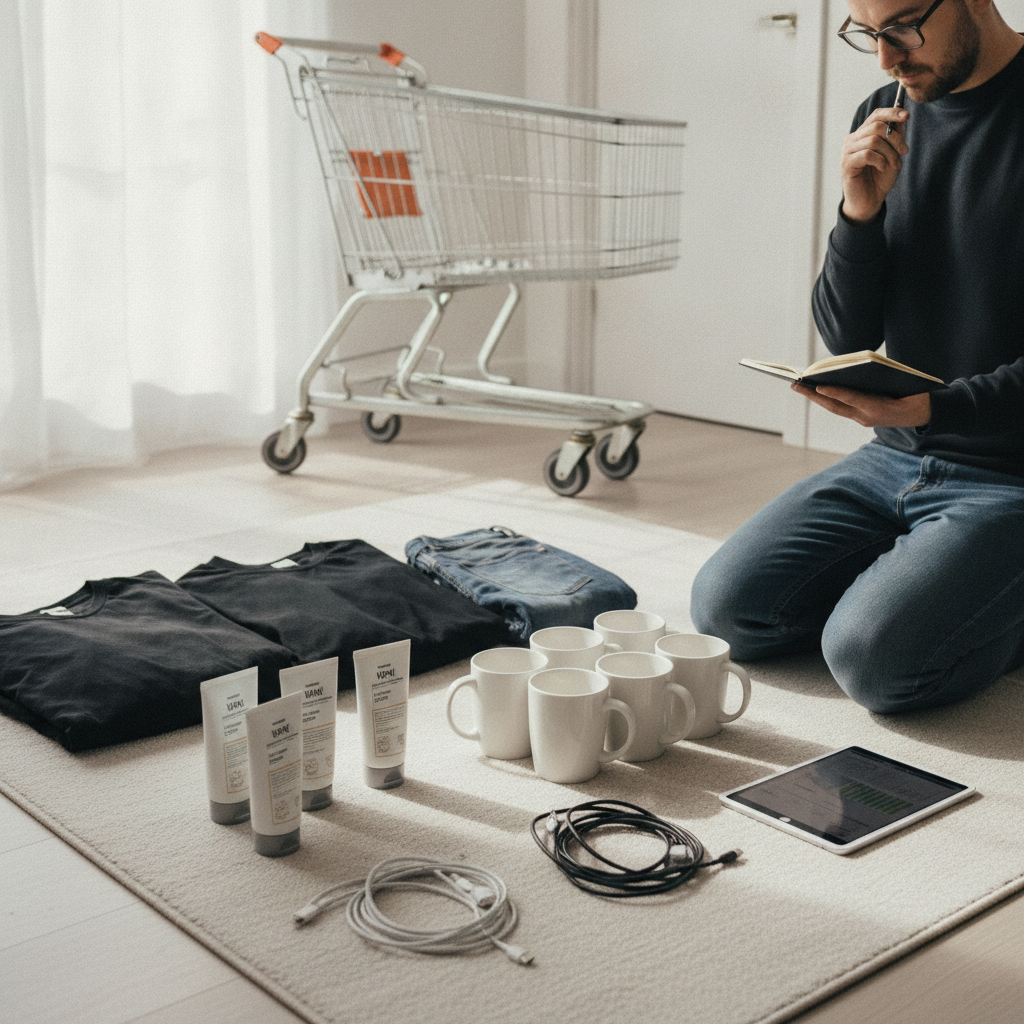
Most people have bought something they already owned. Not the exact same product, but something that does the same job — a second blender, another tote bag, a third set of resistance bands still in the packaging. It happens gradually, and it rarely feels like a mistake in the moment. The fix isn't willpower or a stricter budget. It's a simple habit of looking at what you already use before you commit to anything new.
Take Stock of What You Actually Reach For
Before any significant purchase, spend ten minutes walking through the spaces where that category of item lives. If you're eyeing a new kitchen gadget, open every drawer and cabinet. If it's fitness gear, check the corner of your bedroom, the garage, and whatever closet doubles as storage. The goal is to see what's already there — not to judge past decisions, but to get an honest picture of what's in rotation and what's just taking up space. Noticing that you already own three versions of a thing tends to cool the urge to buy a fourth.
Sort Items Into Active, Passive, and Forgotten
Once you can see everything, mentally sort it into three buckets. Active items are things you use at least weekly. Passive items get pulled out occasionally but not consistently. Forgotten items you haven't touched in months. This simple framework does a lot of quiet work — it shows you where your real habits live versus where you thought they lived. If the item you're considering buying would fall into the passive or forgotten category based on your pattern, that's useful information before you swipe your card.
Look for the Gap the New Item Is Actually Supposed to Fill
A lot of redundant purchases happen because something existing isn't working well, but instead of fixing or replacing it directly, people just add something new alongside it. If your current water bottle leaks, the answer is a new water bottle — not a second one from Hydro Flask sitting next to a perfectly functional Stanley. Ask yourself what problem the new item solves and whether anything you already own could solve it instead, even with a small adjustment like a different storage spot or a minor repair.
Check Frequency Before Considering Quality Upgrades
Upgrading is different from buying redundantly, but it can still lead to waste if you upgrade something you barely use. Before spending more on a premium version of anything — running shoes, cookware, a standing desk mat — check whether you actually use the current version regularly. If your existing yoga mat gets rolled out twice a week, a better one makes sense. If it's sitting in a closet, the upgrade won't change your habits. Quality investments pay off when they support something you're already doing consistently.
Use a Simple List to Track What Needs Replacing
One of the most underrated shopping tools is a running replacement list — just a note on your phone where you log things that are wearing out, breaking, or genuinely running low. Apps like Notion or even the default Notes app work perfectly for this. When you have a list of actual needs, you have a reference point before any purchase. That reference point makes it much easier to recognize when something is a true replacement versus a new addition layered on top of things that still work fine.
Apply the Audit to Digital and Subscription Purchases Too
Redundant buying isn't limited to physical stuff. Subscriptions are one of the easiest places to accumulate overlap without realizing it — two streaming platforms covering identical content libraries, a storage app duplicating what iCloud already handles, a meditation app sitting unused while Spotify already has guided sessions. Running a quick audit of recurring charges before adding another one takes about five minutes and often reveals subscriptions you'd genuinely forgotten about. That clarity alone tends to reframe whether a new purchase is necessary.
Build the Audit Into Your Pre-Purchase Routine
The audit works best when it becomes a consistent step rather than a one-time exercise. Before any purchase above a threshold you set for yourself — whether that's thirty dollars or a hundred — make it a habit to check what you already own in that category first. This doesn't mean you stop buying things. It means the things you buy tend to be more deliberate and useful. Over time, that habit shifts your overall relationship with shopping from reactive to intentional, and the difference shows up noticeably in both your space and your spending.
Shopping with intention is a skill that builds quietly and compounds over time. Every time you pause to audit before buying, you reinforce a pattern of choosing based on actual need rather than impulse or habit. The result isn't a minimalist lifestyle you have to maintain — it's just less clutter, less waste, and a better sense of what you actually value owning.