Why Selecting Accommodation by Walkability to Daily Necessities Rather Than Proximity to Landmarks Changes How Rested You Feel Mid-Trip
Sarah Mitchell
08/03/2026
4 min read
Most travelers book accommodation based on what they want to see, not how they want to feel. It's a reasonable instinct — staying close to the Colosseum or the Louvre sounds like a shortcut to convenience. But the logic quietly unravels around day three, when energy dips and the gap between where you're sleeping and where you actually need to go starts adding invisible friction to every part of the day.
The Hidden Cost of Landmark-Centric Booking
Booking a hotel because it's a ten-minute walk from a famous attraction makes sense on paper, but landmarks rarely overlap with the rhythms of daily life. They tend to occupy tourist-dense zones where grocery stores are scarce, coffee costs twice as much, and the nearest pharmacy requires a detour. Over the course of a week, those detours accumulate. The mental overhead of solving small logistical problems — where to find water, a decent breakfast, a quiet place to sit — erodes the kind of low-grade restoration that travel is supposed to provide.
What Walkability to Necessities Actually Means
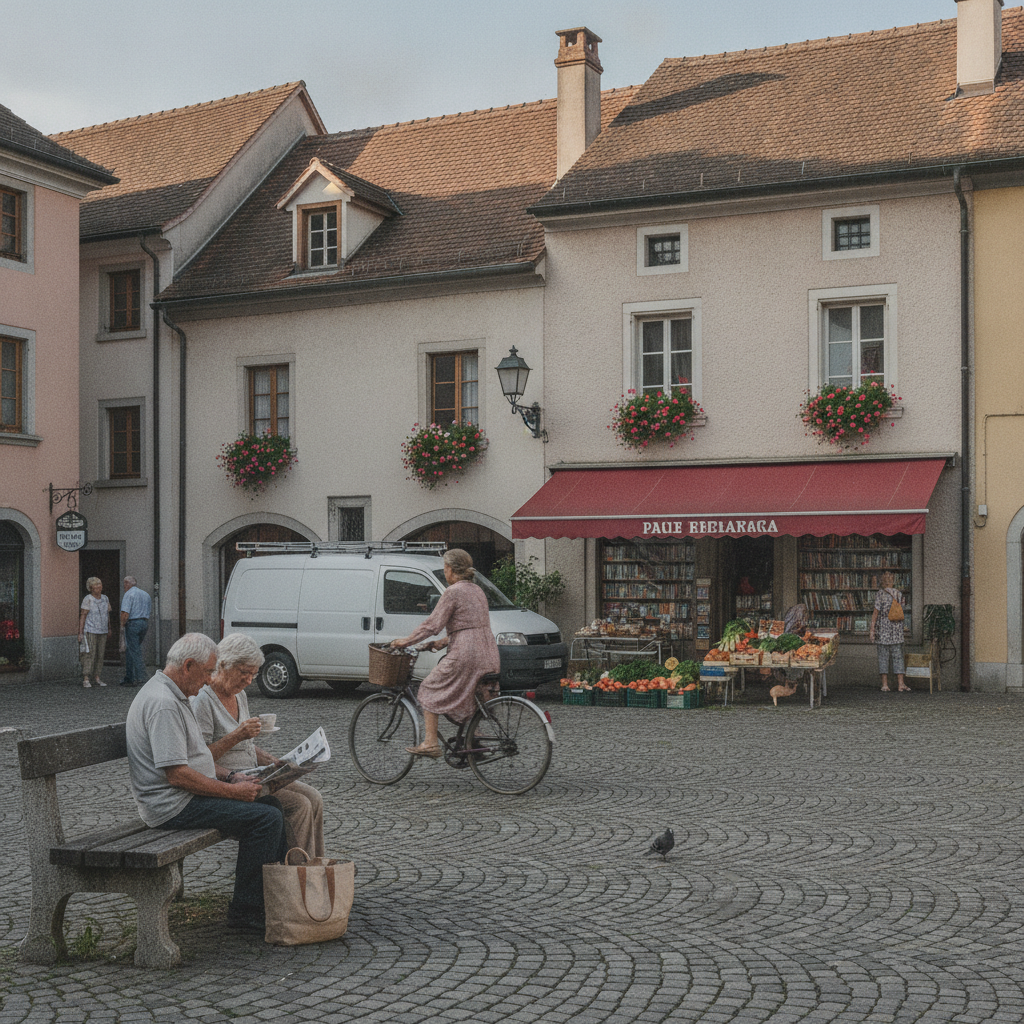
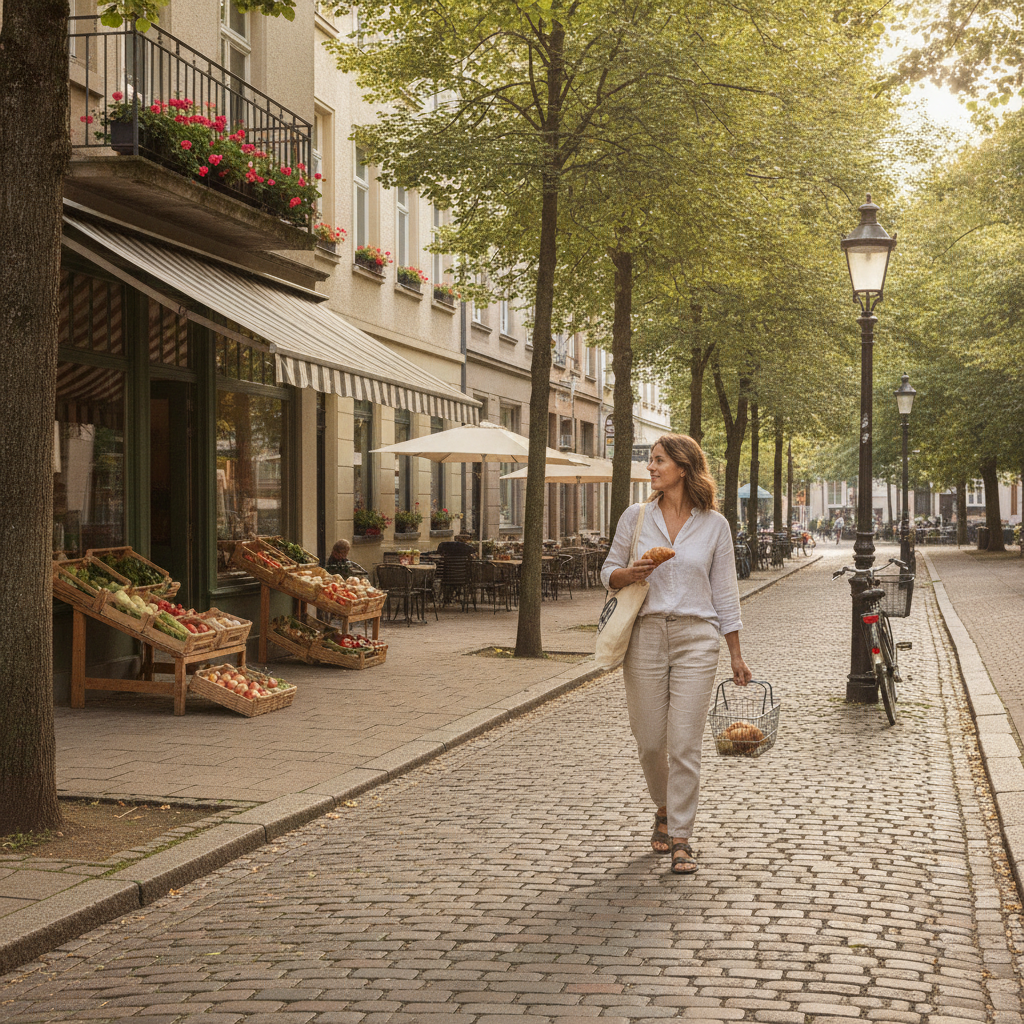
Walkability, in this context, isn't about having attractions within reach. It's about the presence of a functioning neighborhood — a supermarket, a bakery, a pharmacy, a café that isn't aimed exclusively at tourists. Areas like Pigneto in Rome, the 11th arrondissement in Paris, or Prenzlauer Berg in Berlin offer exactly this. Residents shop, eat, and move through these areas in ordinary ways, and travelers who base themselves there absorb that pace almost automatically. The result is a trip that feels lived-in rather than performed.
Why the Body Responds to Reduced Decision Load
Travel fatigue isn't only physical. A significant portion comes from the constant low-level problem-solving that an unfamiliar environment demands. When basic needs are easily met — when the market is downstairs, the café is on the corner, and restocking supplies takes ten minutes — that cognitive load shrinks. The mind has more room to simply absorb the experience rather than manage it. Travelers who stay in walkable residential neighborhoods consistently report feeling more present and less depleted, not because they did less, but because the ordinary logistics stopped competing with the interesting ones.
How Neighborhood Character Shapes Rest Quality
The texture of a neighborhood affects sleep and recovery in ways that go beyond bed quality. Tourist-heavy zones tend to be noisier later into the night, more crowded during early mornings, and lit with the kind of relentless commercial brightness that doesn't fully switch off. Residential areas operate on a different rhythm — quieter after ten, active but unhurried in the morning, and generally organized around the needs of people who actually live there. Tools like Google Maps' Street View and the app Walk Score make it straightforward to assess a neighborhood before booking, checking whether daily infrastructure actually surrounds the accommodation.
The Compounding Effect Across a Multi-Day Trip
On a two-night stay, accommodation location is almost irrelevant — there's barely enough time for friction to build. But on trips of five days or longer, the compounding effect becomes real. A traveler staying in a walkable residential neighborhood spends less time on transit, makes fewer detours, and returns to a base that feels genuinely calming rather than just convenient for sightseeing. Airbnb listings in local neighborhoods and boutique hotels positioned away from major tourist corridors often serve this purpose well, particularly when filtered by proximity to a supermarket or local market rather than by distance to a monument.
Practical Ways to Apply This Before You Book
Before confirming any accommodation, take a few minutes to test the neighborhood rather than just the property. Open Google Maps and look for a supermarket, a pharmacy, and at least two non-tourist cafés within a ten-minute walk. Check Street View to see whether the surrounding streets look residential or commercial. Read recent reviews specifically for mentions of noise and neighborhood feel, not just room quality. If you're using a platform like Booking.com or Airbnb, use the map view to reframe your search around a neighborhood you've pre-identified as residential, then filter from there. Let the sightseeing be something you travel toward each day — not something you live inside of.
The place you sleep shapes more than your nights. It sets the baseline for how rested, oriented, and capable of genuine enjoyment you feel throughout each day. Choosing accommodation for its proximity to landmarks is a planning habit built around highlights, but the quality of a trip is mostly built in the hours between them. When daily necessities are within easy reach, those in-between hours stop feeling like logistics and start feeling like the trip itself.